


Ever since ChatGPT launched in late 2022, tech observers have debated when—not if—traditional search would face true disruption from LLMs. That moment seems to have officially arrived.
Google parent Alphabet’s recent financial results showed a noticeable deceleration in search revenue—the core revenue and profit engine of the business. Consequently, its shares took a hit despite rapid growth in Google Cloud and its broader AI portfolio. Why? Because traditional search advertising remains Google’s primary cash cow, and anything threatening that pipeline sends shockwaves through the market.
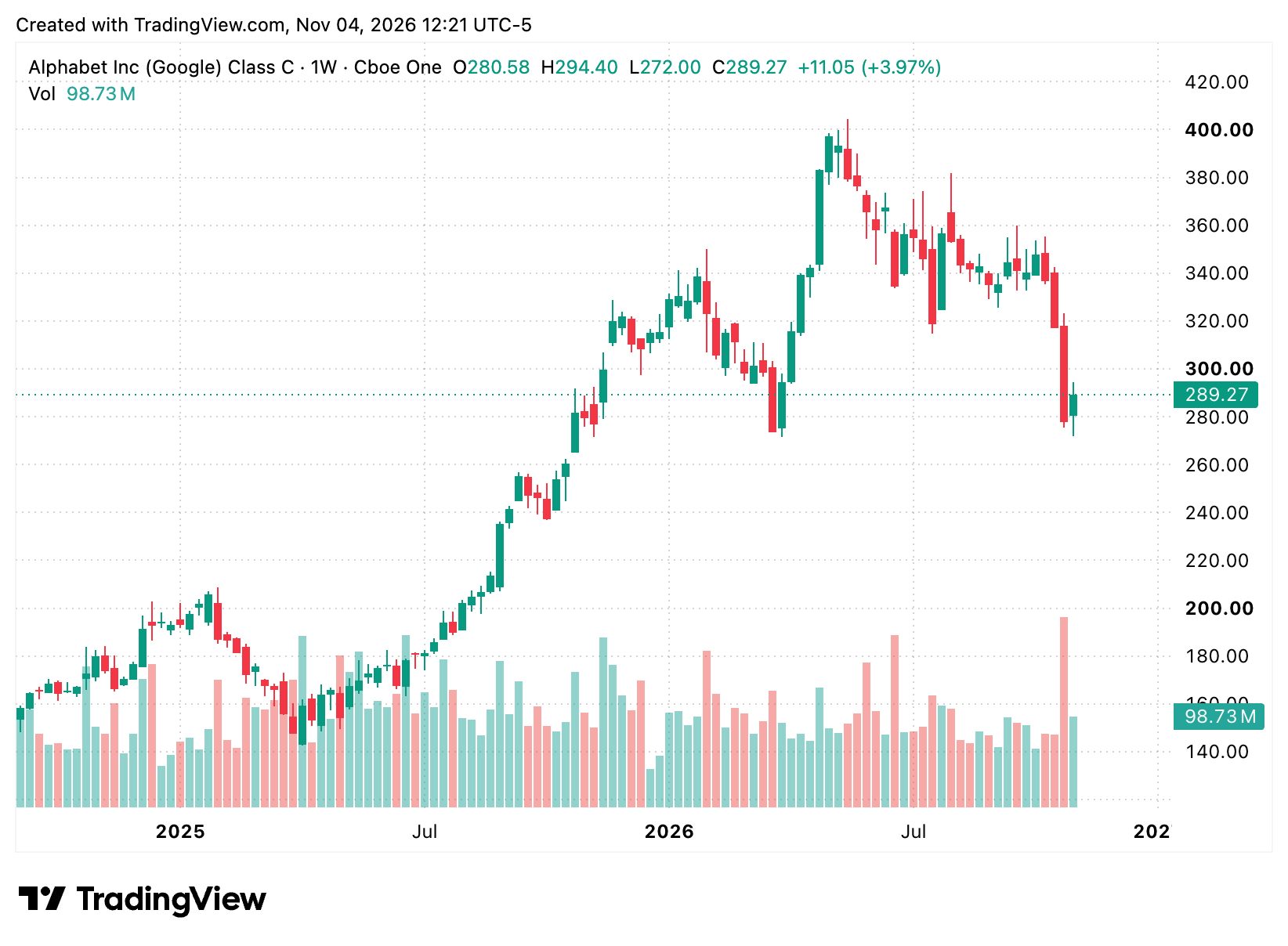
During the earnings call, Google Chief Business Officer Philipp Schindler pointed to the underlying shift: while query volume in AI-driven search modes is growing rapidly, these AI Mode queries monetize at a significantly lower rate than traditional “blue link” search results.
Disrupting From Within
To be clear, Google deserves a great deal of credit for being willing to disrupt itself. The company has recognized for quite some time that the shift was inevitable and actively embraced it rather than standing still. Of course, one of the ways the company has done so is by investing heavily in its own AI models and the Gemini infrastructure.
Speaking personally as an active AI user, while I rely on Claude for most of my professional dealings, Gemini is my go-to personal assistant—and the lines between personal and professional often blur. Gemini is an impressive platform that I use every day, so much so that I can’t remember the last time I performed a standard Google search. While I have begun to notice Gemini utilizing Google’s search infrastructure behind the scenes while reasoning, I have yet to notice an ad.
SEO vs. GEO: A Whole New World
This transition poses an existential challenge for Google’s search business, but also the search engine optimization (SEO) industry. Many SEO firms have been taking the position that Generative Engine Optimization (GEO) is simply a natural evolution of traditional SEO. At the risk of receiving pushback from friends in the SEO community, I’m not at all convinced that’s true—we are entering a fundamentally new era.
First and foremost, Google has been far and away the dominant search platform for years, so search experts have effectively been able to focus on optimizing for a single platform. We are highly unlikely to see similar dominance with LLMs. A glance at the Overshoot Index highlights significant diversity across models - a fragmentation that is only going to accelerate (more on that shortly).
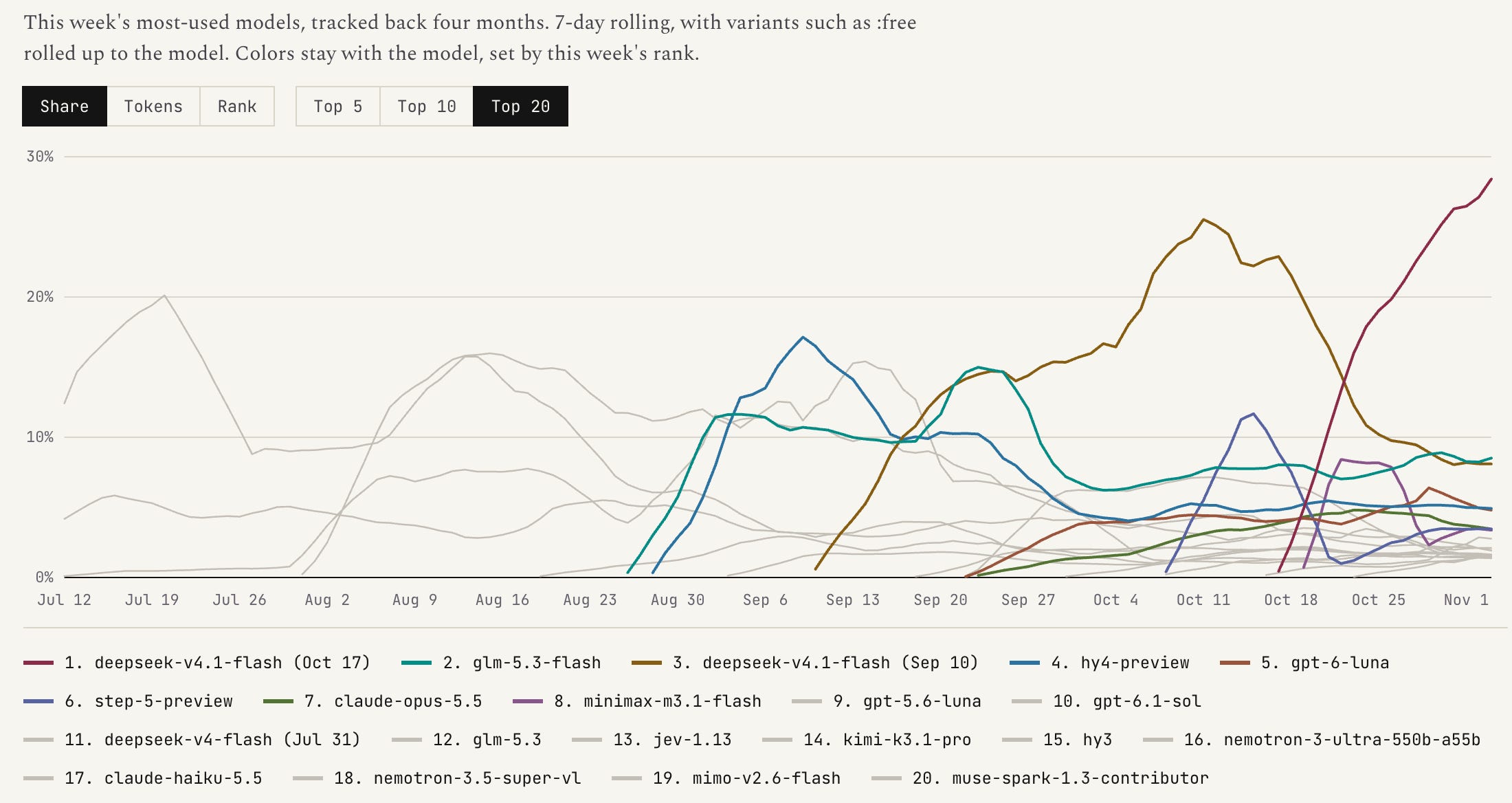

As model fragmentation accelerates, the fundamental challenge of “optimization” becomes: optimize for what? There is no one-size-fits-all LLM—even within a single vendor’s lineup. While applying legacy SEO practices offers a familiar starting point, marketers will inevitably find themselves optimizing for completely different engines, architectures, and objectives.
The Golden Goose Enters Its Golden Years
To be clear, Google’s search business remains massive and incredibly profitable; this shift represents a deceleration of growth, not an abrupt demise. The golden goose isn’t dying anytime soon, but it is certainly entering its golden years.
As with the recent “SaaSpocalypse,” observers make the false assumption that just because an industry hasn’t fallen off a cliff overnight, it remains healthy. In any disruptive wave, dominant incumbents are usually the last to show cracks. But the underlying divergence between surging user adoption and compressed ad yield is unmistakable—and the structural outcome is inevitable once behavior permanently changes.

For Consumers, This is a Good Thing. Maybe.
For consumers, this evolution is largely positive. Few people actively enjoy ads, although it’s important to recognize that advertising has historically funded much of the free web and spared users from direct subscription fees. If given the choice between viewing ads or paying out-of-pocket, many users will undoubtedly prefer the ad-supported model, meaning the broader economic ripple effects will be complex. Much like streaming platforms introduced tiered ad models once subscriber growth slowed, advertising will likely find a new equilibrium—at least for users willing to trade attention for free access.
For now, the disruption of search is no longer something to speculate about. It’s here, it’s measurable, and it’s just getting started.